

Dialogues
The Question of God in Shankara and Ramanuja
The Gita is a central text in Hindu traditions, and commentaries on it express a range of philosophical-theological positions. Two of the most significant commentaries are by Sankara, the founder of the Advaita or Non-Dualist system of Vedic thought and by Ramanuja, the founder of the Visistadvaita or Qualified Non-Dualist system. Their commentaries offer rich resources for the conceptualization and understanding of divine reality, the human self, being, the relationship between God and human, and the moral psychology of action and devotion.
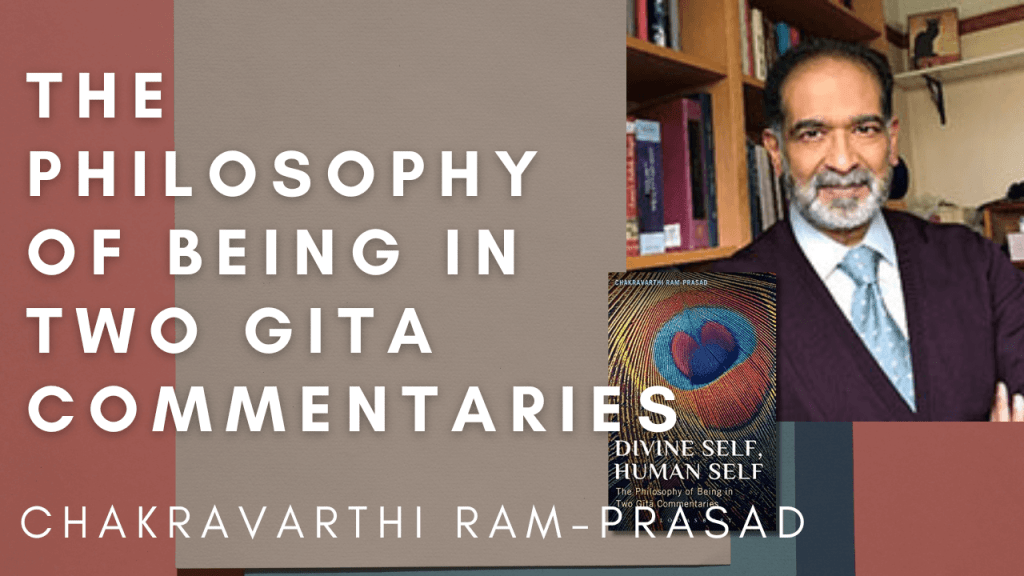
Prof. Chakravarthi Ram-Prasad, Distinguished Professor of Comparative Religion and Philosophy at Lancaster University, and a Fellow of the British Academy.
The Hindu Self and its Muslim Neighbors
What do we learn from Rabindranath Tagore’s copious yet lesser-known writings on the Hindu-Muslim question?
What do we learn from the fascinating interplay of Hindu-Muslim interactions in the history of Bengal? How do the behavioral patterns between the two communities fare and change over the course of history, particularly entering into the modern period? What do the Bauls, Muslim and Hindu troubadours and singers, illustrate about the limits of language and identity? How do we maintain a distinct religious identity without effacing or encrusting our sense of self?
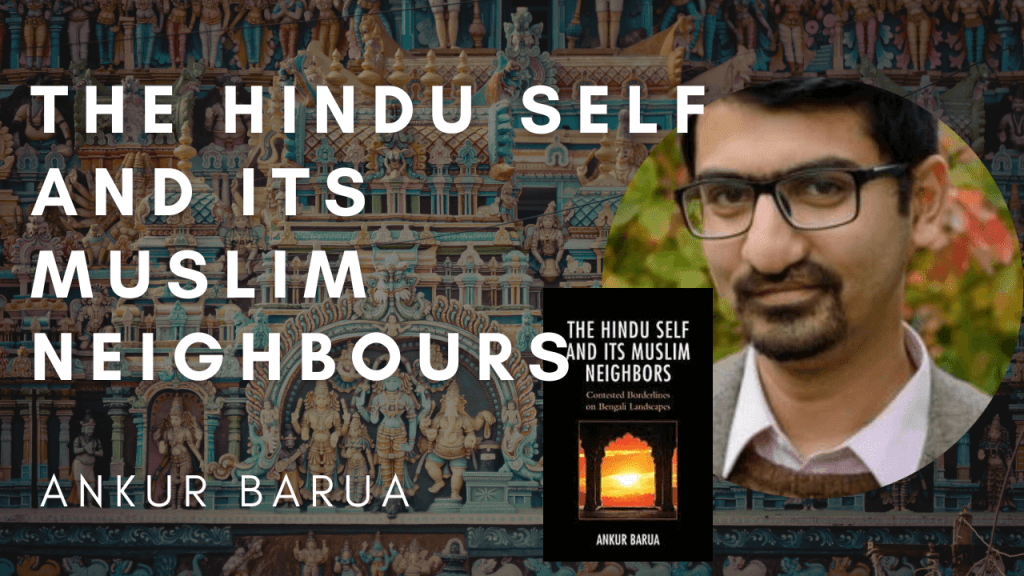
Prof. Ankur Barua is University Senior Lecturer in Hindu Studies at Cambridge University.
Ramana Maharshi’s Message for the Present

Why We Need to Study Religion Today

Image Worship in Hindu Traditions
Indian Muslim Minorities and the 1857 Rebellion

Seyyed Hossein Nasr on Hindu-Muslim Dialogue

The Limits of Spirituality Without Religion
Hindu-Muslim Dialogue: Prospects and Pitfalls

Islam, Hinduism, and the Perennial Philosophy
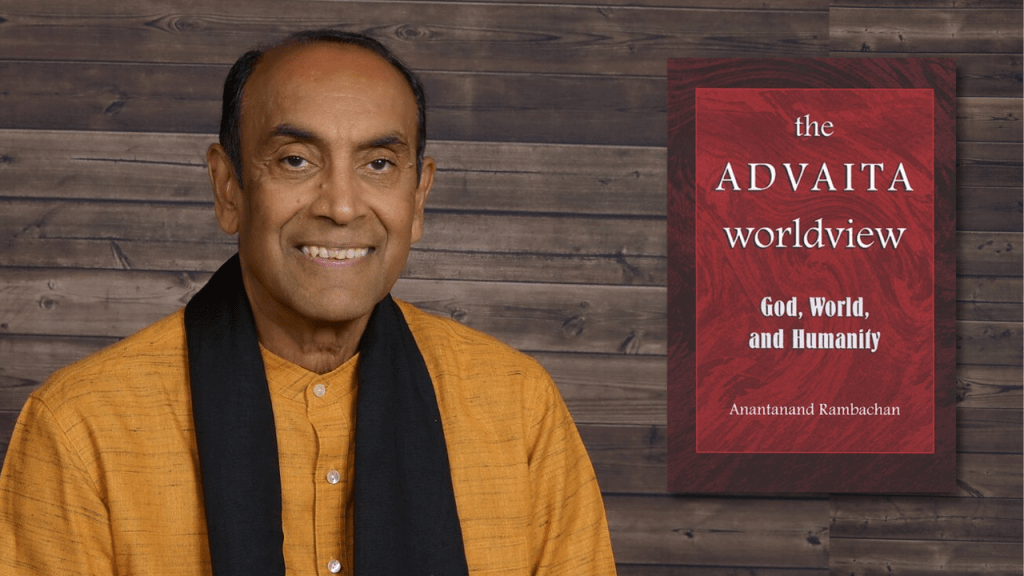
The Advaita Worldview
What is Consciousness?

Who is a Hindu? What is Hinduism?

How Not to do Hindu-Muslim Dialogue
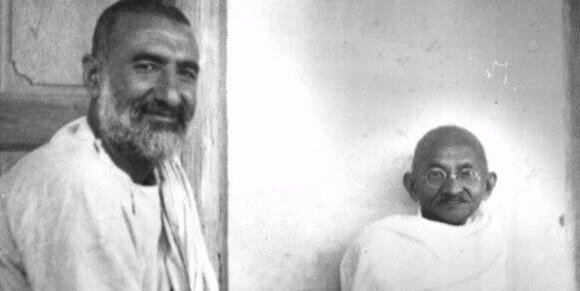
Khan Abdul Ghaffar Khan’s Philosophy of Non-Violence and Pluralism
Four Thousand Weeks: Time Management for Mortals

Muhammad: Prophet of Peace

A Philosophy of Failure

The Quran and the Secular Mind

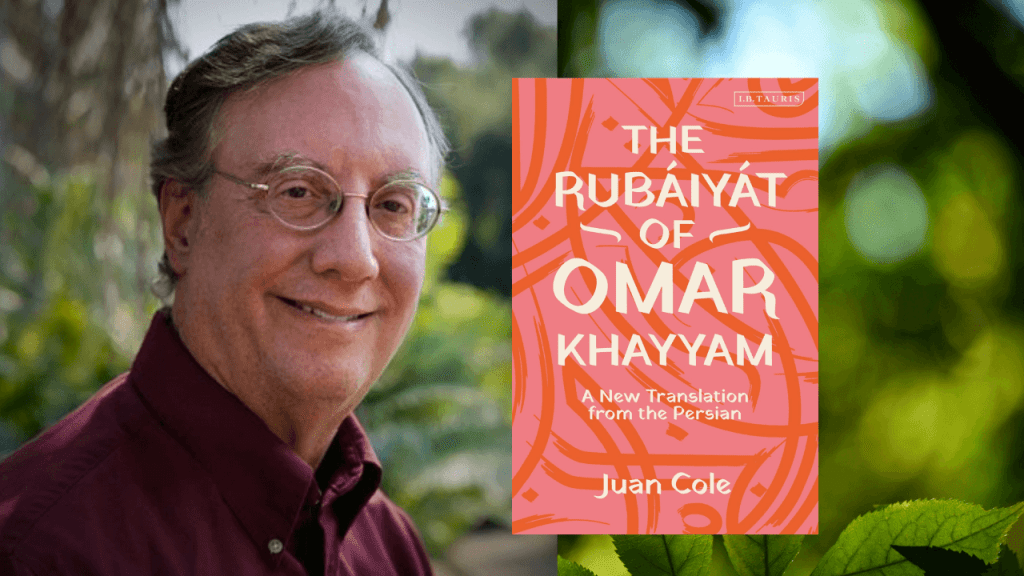
The Rubaiyat of Omar Khayyam
 Project Noon